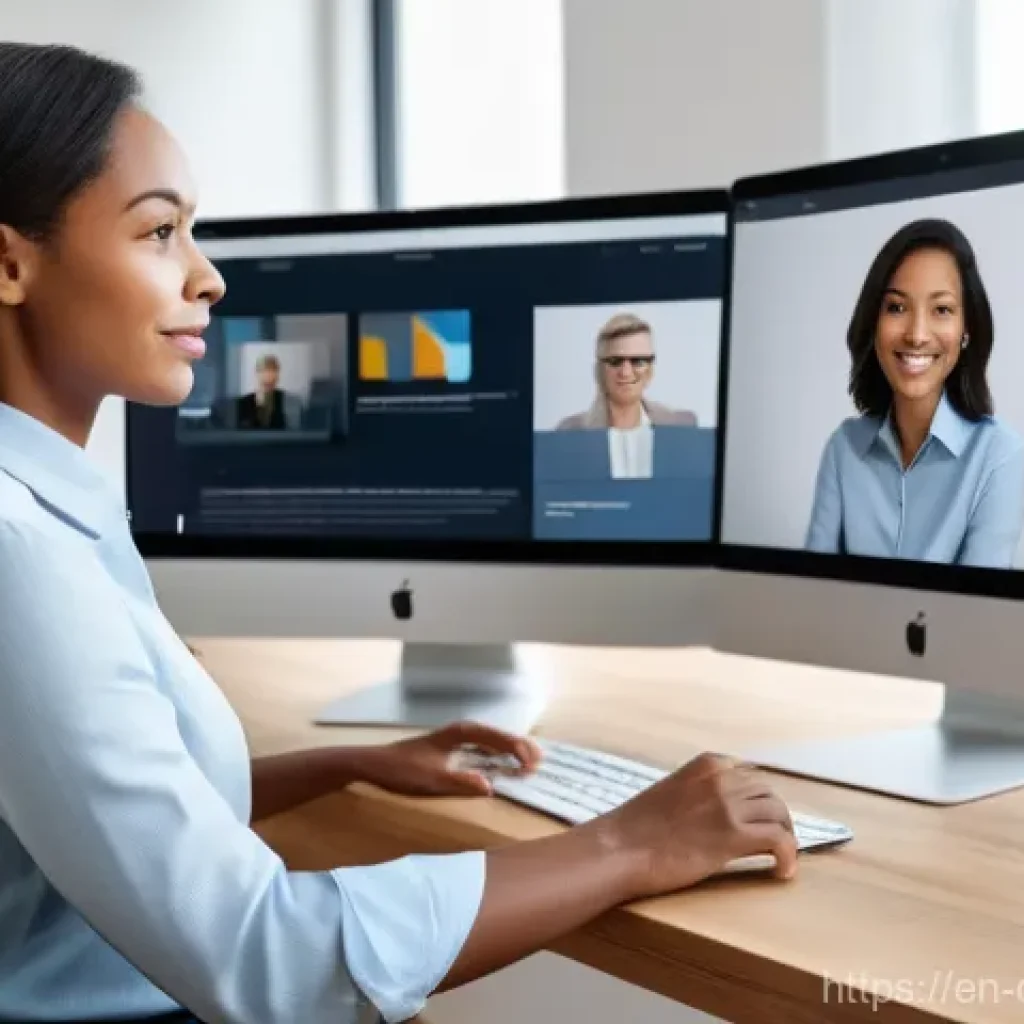
Hey job seekers! Navigating the modern job market feels a bit like trying to find a needle in a digital haystack, doesn’t it? The internet has completely revolutionized how we search, apply, and even get hired, making the whole process feel both excitingly full of opportunity and, let’s be real, a little overwhelming at times.
I’ve personally experienced the frustration of countless online applications yielding no results, only to discover some game-changing strategies that turned the tide.
It’s not just about what you know, but how effectively you present yourself in this fast-evolving digital landscape, where AI and new online tools are reshaping everything we thought we knew about finding work.
Trust me, I get it – you want to stand out, cut through the noise, and land that perfect role without feeling like you’re yelling into the void. Ready to transform your job hunt?
Let’s accurately discover exactly how to master internet-based job preparation and truly shine.
Hey everyone, it’s a wild world out there when you’re looking for your next big opportunity, isn’t it? The digital age has definitely thrown a few curveballs our way, making the job hunt feel like a high-stakes game where the rules are constantly changing.
I remember days spent feeling utterly defeated after sending out what felt like a hundred applications into the internet void, only to hear crickets. But through trial, error, and a whole lot of learning, I started to figure out what actually moves the needle in this fast-paced digital landscape.
It’s not just about having the right skills anymore; it’s about how you digitally present yourself, how you interact, and how you genuinely connect. Trust me, if I can navigate these choppy waters and come out on top, you absolutely can too.
Let’s dive into some truly effective strategies that I’ve seen work wonders, not just for me, but for so many incredible folks I’ve connected with.
Mastering Your Digital Reputation: More Than Just a Pretty Picture

In today’s interconnected world, your digital footprint is essentially your extended resume, whether you realize it or not. I mean, let’s be real, almost every hiring manager or recruiter is going to “Google” you the second your application lands on their desk, and often even before that. What they find can either be your biggest asset or a serious roadblock, and I’ve seen both extremes. It’s not just about making sure there’s nothing overtly negative out there; it’s about actively curating a professional narrative that screams “hire me!” I’ve learned that you need to be intentional about every piece of content linked to your name, because every tweet, every comment, every shared article contributes to the story you’re telling. Think of it as building your personal brand, a consistent, compelling story across all your online platforms. When I first started seriously thinking about this, I was amazed at what a quick self-search turned up – some things I’d totally forgotten about! It was a real wake-up call to take control of my online presence. This means moving beyond just tidying up; it’s about actively shaping how you’re perceived, highlighting your strengths, and making sure your online persona perfectly aligns with your professional aspirations. Believe me, it makes a world of difference when a recruiter sees a consistent, positive image of you online, demonstrating not just your skills but your character and passion. It shows them you’re serious and thoughtful about your career, and that’s something money can’t buy.
Cleaning Up Your Online Footprint
Okay, let’s get down to brass tacks. The first step, and honestly, the most crucial, is to play detective with your own online presence. Google yourself. Seriously, open an incognito window and search for your name, social media handles, anything connected to you. What do you see? Are there old, embarrassing posts from college parties? Negative comments on forums? Pictures that don’t quite scream “professional”? If so, it’s time for a digital detox. I personally went through all my old Facebook and Instagram posts, archiving anything that wasn’t authentically “me” anymore or that could be misinterpreted in a professional context. It’s not about erasing your personality, but about ensuring that what potential employers see aligns with the professional you want to be. Remember, even if you set your personal accounts to private, sometimes things can still leak or be found through shared connections. A proactive approach here is key. Remove those questionable photos, untag yourself from irrelevant posts, and consider making highly personal accounts private. This isn’t censorship; it’s smart personal branding in an age where your digital reputation can open or close doors faster than you can say “job offer.”
Crafting an Authentic Professional Persona
Once you’ve scrubbed the less-than-ideal bits, it’s time to build a compelling professional persona. This goes beyond just having a LinkedIn profile; it’s about actively showcasing your expertise, values, and what makes you, well, *you*. For me, this involved thinking about what unique value I bring to the table and how I can communicate that consistently. I started sharing insightful articles related to my industry, offering thoughtful comments on professional posts, and even creating a simple personal website to act as a digital portfolio. It’s an amazing way to show, not just tell, what you’re capable of. Think about it: a hiring manager reading a generic resume might forget you, but one who sees your insightful blog post or a well-curated portfolio that resonates with them? That’s memorable. This consistent effort really helps build trust and credibility, acting as a strong signal to recruiters that you’re not just looking for a job, but passionate about your field. It’s like your digital handshake, and you want it to be firm and confident, showcasing your authentic professional self to the world. Don’t be afraid to let your personality shine through, as long as it’s in a professional and constructive way. People hire people, not just skill sets, and an authentic online persona can truly make you stand out.
Your Resume, Reimagined: Standing Out in the AI Era
Let’s talk resumes. Oh, the dreaded resume! It used to be a static document, but nowadays, it’s a dynamic, living thing that needs to speak to both human eyes and, increasingly, artificial intelligence. I used to agonize over every word, convinced that one wrong phrase would doom me. And while that’s a bit dramatic, the truth is, a poorly optimized resume really can get lost in the shuffle. With Applicant Tracking Systems (ATS) now the gatekeepers for so many roles, simply writing a “good” resume isn’t enough; you need an “ATS-friendly” and “human-friendly” resume that truly represents your value. I’ve personally seen candidates with incredible skills get overlooked because their resume wasn’t tailored to the digital screening process. It’s a frustrating hurdle, but one that’s entirely surmountable with a bit of smart strategy. You want your resume to tell your unique story, not just list your job duties. It needs to showcase your achievements, quantify your impact, and use the right language to catch the attention of both machines and the people behind them. Think of it as your digital calling card – meticulously crafted, impactful, and irresistible. Don’t fall into the trap of using one generic resume for every application; that’s a surefire way to disappear into the digital haystack.
Bypassing the Bots: ATS Optimization Secrets
So, those pesky Applicant Tracking Systems. They’re not going anywhere, and in fact, they’re getting smarter. The key here is keywords. Before you even think about writing, meticulously analyze the job description. What specific skills, tools, and responsibilities are mentioned? These are your golden nuggets. I make a list of them and then strategically weave them into my resume and cover letter. It’s not about keyword stuffing, which ATS can actually penalize you for, but about integrating them naturally and contextually. For example, if a job description emphasizes “project management software” and you’ve used Trello and Asana, don’t just say “managed projects”; say “Managed cross-functional projects using Trello and Asana, delivering X results.” It makes a huge difference. Also, stick to clean, simple formats. Fancy fonts, elaborate graphics, or unusual layouts can confuse the ATS, causing your application to be rejected before a human even sees it. Tools like Jobscan can actually help you compare your resume against a job description and suggest improvements, which I’ve found incredibly useful for pinpointing those critical keywords I might have missed. It’s like having a cheat sheet to get past the first digital hurdle.
Beyond Bullet Points: Weaving Your Story
Once you’re past the ATS, your resume needs to captivate a human. This is where storytelling comes in. Instead of just listing responsibilities, focus on achievements and quantifiable results. I always try to frame my bullet points using the CAR method: Challenge, Action, Result. For instance, instead of “Responsible for social media marketing,” I’d write, “Increased social media engagement by 30% within six months by implementing a new content strategy, resulting in a 15% rise in lead generation.” This gives a clear picture of your impact. And don’t forget your summary or objective statement; make it a powerful, concise elevator pitch that immediately grabs attention. It’s your chance to convey your unique value proposition and career goals upfront. Also, consider including a link to an online portfolio or a professional website if your industry benefits from visual examples of your work. It provides an employer with a richer, more engaging view of your capabilities that a static document simply can’t capture. This is where your personality and passion can truly shine through, telling a story that goes far beyond just your job titles and dates.
The LinkedIn Advantage: Building Connections That Count
Alright, let’s talk LinkedIn, because honestly, if you’re not fully leveraging this platform, you’re missing out on a goldmine of opportunities. I used to think LinkedIn was just for posting my resume and occasionally connecting with old colleagues. Boy, was I wrong! It’s so much more than that; it’s a dynamic professional hub where relationships are forged, insights are shared, and jobs are found – often before they’re even officially posted. I’ve personally landed interviews and even entire roles through connections I made on LinkedIn, simply by being present and genuinely engaging. It’s not about endlessly scrolling; it’s about strategic networking and actively participating in your professional community. Think of it as a never-ending industry conference, but one where you can selectively choose who you talk to and what topics you engage with. It’s truly transformed how I view professional development and job seeking. The power of a well-cultivated LinkedIn presence can’t be overstated. It’s your digital professional storefront, and you want it to be inviting, informative, and reflect the very best of what you have to offer.
Optimizing Your Profile for Discovery
Your LinkedIn profile isn’t just an online resume; it’s a powerful search engine optimization (SEO) tool for your career. Recruiters are actively searching for candidates using specific keywords. So, ensure your headline, summary, and experience sections are packed with relevant industry keywords that hiring managers would use to find someone like you. Don’t be afraid to be specific! If you’re a “Digital Marketing Specialist,” say so, and list the specific platforms and strategies you excel in. Your profile picture and banner image are also crucial. A professional, friendly headshot is a must, and your banner can be a great place to subtly highlight your personal brand or skills. I remember updating my banner to showcase some key areas of my expertise, and I noticed a definite uptick in profile views and connection requests. Regularly update your profile with new achievements, skills, and projects. Treat it like a living document that constantly evolves with your career. The more complete and optimized your profile, the more likely you are to pop up in those crucial recruiter searches. And make sure to utilize the “Open to Work” feature if you’re actively looking, but consider customizing its visibility settings to suit your situation.
Engaging Strategically: It’s Not Just About Likes
Beyond a polished profile, active engagement is what truly unlocks LinkedIn’s potential. It’s not about mindlessly liking posts; it’s about adding value. I make it a point to regularly comment on industry news, share thoughtful insights, and participate in relevant groups. When I comment, I don’t just say “Great post!”; I actually read the article or post and offer a genuine, insightful contribution. This positions you as a thought leader and keeps you top-of-mind within your network and beyond. Don’t underestimate the power of connecting with people authentically. Send personalized connection requests, referencing shared interests or how you came across their profile. It’s about building genuine relationships, not just collecting contacts. I’ve found that simply reaching out to someone with a thoughtful message, expressing admiration for their work, or asking an insightful question can lead to incredibly valuable conversations and even mentorship opportunities. It’s a bit like nurturing a garden; consistent, thoughtful attention yields the most beautiful blooms, or in this case, career opportunities.
Nailing the Virtual Interview: From Awkward to Awesome
Virtual interviews, bless their hearts, have become the new normal, and they come with their own unique set of challenges. I’ve had my fair share of awkward moments – pets making guest appearances, internet glitches, questionable lighting – you name it. But I’ve also learned that with a little preparation and a lot of confidence, you can absolutely shine through the screen. It’s about creating an environment that allows you to focus and present your best self, minimizing distractions, and maximizing your professional impact. This isn’t just about showing up; it’s about being strategically prepared for a different kind of interaction. The shift to virtual hiring has expanded opportunities globally, which is fantastic, but it also means increased competition. So, making a strong, memorable impression virtually is more critical than ever. I often tell people to treat it like a TV broadcast where you are the star – every element, from your backdrop to your eye contact, contributes to the overall production quality of your performance.
Setting the Stage for Success
First things first, your interview space. It needs to be clean, quiet, and well-lit. Trust me on this one; I once did an interview with laundry piled in the background, and I spent the whole time wishing I could disappear! Find a spot with good natural light, preferably facing a window, or use a lamp in front of you to avoid shadows. Your background should be neutral and clutter-free. A blank wall is ideal, but a tidy bookshelf or a simple plant can also work. Test your technology beforehand – your camera, microphone, and internet connection are non-negotiables. Have a backup plan too, like your phone number or the interviewer’s contact in case of tech issues. I always do a quick run-through with a friend or even record myself to check lighting, sound, and what’s visible in the frame. Dress professionally from head to toe, even if they only see your upper half. It puts you in the right mindset, and you never know when you might need to stand up. These small details might seem minor, but they collectively create a polished, professional impression that speaks volumes about your attention to detail and seriousness.
Projecting Confidence Through the Screen

Virtual interviews demand a bit more intentionality when it comes to body language and engagement. It can feel unnatural, but try to look directly into the camera as much as possible to simulate eye contact. It might feel like you’re staring at a lens, but on the other side, it looks like you’re engaged and confident. Smiling genuinely also goes a long way in establishing a positive connection. Keep your posture upright and try to sit still, avoiding fidgeting or swaying. I find that placing a sticky note with key talking points near my camera helps me stay focused without looking like I’m reading. Be mindful of potential distractions – turn off notifications on your phone and computer, and let anyone in your household know you can’t be disturbed. It also helps to practice your answers to common questions out loud, possibly using an AI mock interviewer tool, so your responses sound natural and well-rehearsed, not robotic. Remember, it’s about conveying your enthusiasm and competence, and with these tips, you’ll be well on your way to acing that virtual meeting.
Embracing AI as Your Job Search Co-Pilot
Okay, let’s address the elephant in the room: AI in the job search. I know, for some, it sounds a bit like science fiction, or maybe even a little scary. But hear me out – AI isn’t here to replace us; it’s here to empower us. I’ve been experimenting with various AI tools, and honestly, they’ve been game-changers in streamlining the job hunt process, cutting down on grunt work, and allowing me to focus on what truly matters: making genuine connections and showcasing my unique value. From generating tailored cover letters to practicing interview responses, AI can be your ultimate co-pilot, not a replacement. It’s like having a super-efficient assistant working tirelessly behind the scenes to give you an edge. The job market is already seeing AI influence everything from resume screening to initial candidate interactions, so embracing these tools is no longer optional; it’s essential for staying competitive and efficient. The trick is to use AI smartly, leveraging its power to enhance your natural abilities rather than letting it dilute your authenticity. This means understanding how these tools work and, more importantly, how to guide them to reflect your true professional self.
Automating the Grind, Personalizing the Pitch
One of the biggest time-sinks in job hunting is tailoring resumes and cover letters for every single application. This is where AI truly shines. Tools like Kickresume, AIApply, or Careerflow can generate personalized documents based on your skills and the job description, saving you hours of manual effort. I’ve used them to quickly create a strong first draft, and then I go in and add my personal touch, unique examples, and specific stories that only I can tell. It’s about using AI to create the framework, then infusing it with your personality and experience. Similarly, AI-powered platforms can even help automate parts of the application process, identifying ideal roles based on your preferences and submitting applications on your behalf. This doesn’t mean you just set it and forget it; it means you’re freed up to spend more time networking, developing new skills, or preparing for interviews. It’s about working smarter, not harder, and letting technology handle the repetitive tasks while you focus on the high-impact activities. Remember, the goal is always to deliver a personalized, compelling pitch, and AI can be an incredible aid in achieving that efficiently.
Practicing with AI: Your Secret Weapon
Interview anxiety is real, and it affects so many of us. That’s why I’m a huge fan of AI-powered mock interview tools. Google’s Interview Warmup, for example, allows you to practice answering questions tailored to your target role and industry, providing instant feedback on your word choice, pacing, and use of job-specific terms. It’s like having a non-judgmental coach who’s available 24/7! I’ve personally used these tools to refine my responses, identify areas where I tend to ramble, and build confidence before the real thing. It helps you get comfortable articulating your experiences and skills under pressure, making sure your message comes across clearly and effectively. This kind of practice is invaluable, especially for virtual interviews where subtle cues can be harder to read. It also helps you prepare for behavioral questions by thinking through concrete examples that demonstrate your skills in action. Think of it as a low-stakes environment to perfect your delivery, ensuring that when the actual interview comes around, you’re not just prepared, but poised and self-assured.
Future-Proofing Your Career: Skills for Tomorrow’s Workforce
The job market is a constantly evolving beast, and what was critical yesterday might be secondary tomorrow. To truly thrive, we can’t just react; we need to anticipate. I’ve seen firsthand how quickly industries shift, and the best way to stay relevant and marketable is through continuous learning and adaptability. It’s an exciting challenge, actually! Gone are the days when a single degree carried you through an entire career. Now, it’s about building a versatile skill set that makes you resilient and desirable in an ever-changing professional landscape. This isn’t just about technical prowess; it’s about the very human skills that AI can’t replicate, and the flexibility to navigate new work environments. I’ve always been a believer that learning never stops, and in today’s world, that philosophy is not just inspiring, but absolutely essential for career longevity and satisfaction. It’s about investing in yourself and staying curious about what’s next.
The Rise of Soft Skills and Adaptability
While technical skills will always be important, I’ve noticed a significant and growing emphasis on soft skills. Employers are increasingly looking for qualities like emotional intelligence, critical thinking, communication, teamwork, and problem-solving – the things that make us effective human collaborators. In a world where AI can automate many technical tasks, these “human” skills become paramount. I remember a hiring manager once telling me, “We can teach you the software, but we can’t teach you empathy.” That really stuck with me. So, don’t just list your soft skills; provide concrete examples of how you’ve demonstrated them in previous roles. Storytelling here is key! Moreover, adaptability is a superpower. The ability to learn new software, pivot to new strategies, or even embrace entirely new roles is incredibly valuable. Continuous learning, whether through online courses, certifications, or even just staying updated on industry trends, is crucial. It shows initiative and a proactive mindset, signalling to employers that you’re not just a good fit for today, but a valuable asset for tomorrow’s challenges.
Navigating the Remote and Hybrid Landscape
Remote and hybrid work models are no longer a temporary fix; they’re becoming the norm for many industries. This presents incredible opportunities, expanding your job search beyond your local area, but it also requires a different skill set. Highlighting your remote work capabilities is crucial. Think about it: strong time management, self-discipline, excellent virtual communication, and familiarity with collaboration tools like Slack, Zoom, or Microsoft Teams are now highly sought-after. I’ve found that explicitly mentioning these on my resume and discussing them in interviews makes a huge difference. When I shifted to a fully remote role, I quickly realized that clear, concise written communication became even more vital than before, as did the ability to manage my own schedule effectively. Employers want to know you can thrive in these less traditional environments. Show that you have a dedicated home office setup, if applicable, and that you’re comfortable using digital tools to stay connected and productive. This also includes understanding company culture in a remote context, demonstrating that you can be a valuable team member no matter where you’re physically located. It’s about showing flexibility and readiness for the modern workplace.
Here’s a quick overview of some essential digital job preparation elements:
| Digital Job Prep Element | Key Focus Areas | Why It Matters Now |
|---|---|---|
| Online Presence & Brand | Clean up social media, professional profiles, consistent narrative. | Recruiters Google everyone; first impressions are digital. |
| Resume & ATS Optimization | Keywords, quantifiable achievements, simple formats, AI tools. | Bypassing automated screeners and impressing human readers. |
| LinkedIn Engagement | Profile optimization, strategic networking, value-added comments. | Building connections, thought leadership, direct opportunities. |
| Virtual Interview Skills | Tech setup, confident screen presence, body language, practice. | Dominant interview format, demonstrating professionalism. |
| AI Tool Adoption | AI for resumes, cover letters, interview practice, application automation. | Efficiency, personalization, staying competitive with modern hiring. |
| Future-Proofing Skills | Soft skills, adaptability, continuous learning, remote work proficiency. | Evolving job market, resilience, and long-term career growth. |
Wrapping Things Up
Whew, we’ve covered a lot today, haven’t we? It truly feels like navigating the modern job market is less of a sprint and more of a marathon, with new terrains constantly popping up. But what I want you to take away from all this is a sense of empowerment. You have more control over your career trajectory than you might think, especially when you arm yourself with the right tools and a proactive mindset. Remember, every step you take to refine your digital presence, optimize your resume, or connect genuinely with others is an investment in your future. I’ve seen incredible transformations, and I know you can achieve yours too. Keep learning, keep adapting, and never stop believing in the unique value you bring to the table!
Useful Information to Know
1. Don’t underestimate the power of a personal website or online portfolio, even if your field isn’t traditionally “creative.” It’s an amazing central hub to showcase your projects, share your insights, and provide a richer context than a resume ever could, acting as a dynamic extension of your professional self. It’s often the place where I direct interested recruiters to get a full picture of my work and passion. Once you have a clean, focused site, it shows immense initiative and professionalism.
2. Informational interviews are gold! Seriously. Reach out to people whose careers you admire, or who work at companies you’re interested in, and ask if they’d spare 15-20 minutes for a virtual coffee. Frame it as seeking advice and insights, not a job pitch. I’ve gained invaluable perspectives this way, and sometimes, these conversations naturally lead to future opportunities because you’ve built a genuine connection and shown your curiosity. It’s about building relationships before you even *need* them.
3. Always, always, always send a personalized thank-you note or email after every interview, every networking coffee, every significant professional interaction. It’s not just polite; it’s a powerful way to reiterate your interest, reinforce key takeaways, and stand out from the crowd. A well-crafted thank-you note can genuinely sway a decision in your favor, especially when it references specific points discussed, showing you were truly listening and engaged. It’s a small effort with a massive potential impact.
4. Invest time in micro-learning platforms. Sites like Coursera, Udemy, LinkedIn Learning, or even specialized bootcamps offer incredible opportunities to pick up in-demand skills quickly and affordably. Whether it’s data analytics, digital marketing, or a new programming language, showing a commitment to continuous learning makes you incredibly attractive to employers. I’ve personally used these to bridge skill gaps and stay current, and it always comes up positively in interviews, demonstrating my drive to grow.
5. Expand your networking beyond just LinkedIn. Join industry-specific online communities, attend virtual webinars or conferences, and participate in local (or even global) meetups relevant to your field. These are fantastic places to learn, share, and connect with peers and potential mentors in a less formal setting. I’ve discovered some of my most valuable contacts and insights through these less traditional avenues, often where the most authentic conversations happen. It’s about being where your people are, virtually and otherwise.
Key Takeaways for Your Digital Job Search
Alright, let’s condense all this goodness into the absolute must-knows for navigating today’s incredibly dynamic job market. First, remember that your online presence is your modern-day professional narrative; curate it meticulously to reflect your best self and align with your career aspirations. Don’t let old, irrelevant content detract from the brilliant professional you are today. Second, treat your resume as a strategic document designed to impress both ATS bots and human eyes – keywords are your allies, and quantifiable achievements are your superpowers. Third, LinkedIn isn’t just a profile; it’s a bustling professional ecosystem waiting for you to engage, build authentic relationships, and discover opportunities before they even hit the main job boards. Fourth, embrace virtual interviews not as a lesser alternative, but as a unique stage to shine, meticulously preparing your environment and projecting confidence through the screen. And finally, view AI tools not as a threat, but as powerful co-pilots that can streamline the tedious aspects of job hunting, freeing you up to focus on the high-value, human-centric activities like networking and skill development. Continuously learn, adapt, and always, always infuse your unique personality and experiences into every interaction. This isn’t just about finding a job; it’s about strategically building a resilient and fulfilling career in the digital age. Your unique story is your biggest asset – make sure it’s heard loud and clear!
Frequently Asked Questions (FAQ) 📖
Q: How can I truly make my online job applications stand out in a sea of applicants when everyone seems to be using the same tools and templates?
A: Oh, I totally get it! It feels like you’re sending your perfectly crafted resume into a black hole sometimes, right? I’ve been there, staring at that “application submitted” message, wondering if a real human would ever even glance at it.
The trick, I’ve learned through my own trials and errors (and plenty of successful placements!), isn’t just about having a great resume, it’s about making it feel like it was made just for them.
Think of it this way: employers are flooded with generic applications. Your mission is to be the refreshing splash in their inbox! First off, ditch the one-size-fits-all approach.
Seriously, it’s a trap. Every single application you send out needs to be tailored to that specific job description and company culture. I’m talking about more than just swapping out the company name in your cover letter.
Dig into the job posting and highlight the keywords, skills, and even values they mention. Then, weave those exact (or very similar) phrases into your resume and cover letter.
This isn’t just to impress the human reader; it’s crucial for getting past those Applicant Tracking Systems (ATS) that many companies use to filter candidates before a human even sees them.
Think of the job description as your SEO cheat sheet. Beyond keywords, quantify your achievements. Don’t just say “managed projects”; say “managed 5 key projects, increasing team efficiency by 15% and delivering ahead of schedule.” Numbers speak volumes and show the real impact you’ve made.
And for your cover letter? Make it personal. Research the company’s mission, recent news, or even a specific project they’ve worked on.
Mentioning something specific shows genuine interest and makes you memorable. I once heard a hiring manager say a personalized letter made them stop scrolling immediately because it showed the candidate truly cared, not just about a job, but this job.
It’s about demonstrating you understand their needs and how your unique value can be the solution. And don’t forget the power of a strong online presence!
Your LinkedIn profile isn’t just an online resume; it’s your professional brand statement. Keep it updated with a professional photo, a compelling summary, and detailed achievements that mirror your resume.
Engage with industry leaders and peers by commenting thoughtfully on posts, and even sharing valuable content relevant to your field. This consistent engagement makes you discoverable and positions you as a thought leader, creating an “invisible interview” before you even get a formal call.
Trust me, a well-curated digital footprint can make all the difference!
Q: With
A: I and new online tools constantly emerging, how can job seekers effectively leverage them without being replaced by them? A2: That’s a super smart question, and one I hear all the time!
It’s true, AI is reshaping the job market at lightning speed, and it can feel a bit like you’re trying to keep up with a runaway train, right? But here’s the exciting part: AI isn’t here to replace us, it’s here to empower us, especially in the job hunt.
Think of it as your super-powered assistant, not your competitor. Over 87% of companies use AI in recruitment now, so understanding it isn’t optional anymore; it’s a strategic advantage.
First, let’s talk about those Applicant Tracking Systems (ATS) I mentioned earlier. These are AI-powered tools that scan resumes for keywords and specific formatting.
To leverage them, you need to “speak their language.” This means optimizing your resume with relevant keywords directly from the job description, using a clean, professional layout that’s easy for algorithms to read, and avoiding overly complex designs.
I’ve seen countless brilliant candidates get filtered out simply because their resume wasn’t ATS-friendly. It’s not about tricking the system, it’s about ensuring your skills are recognized.
Beyond ATS, AI tools are fantastic for market research. Instead of sifting through endless data, you can use AI to analyze company growth, hiring patterns, and industry trends to identify companies that are likely to be hiring for your specific skills in the near future.
This allows you to be proactive, rather than just reactive, in your search. I’ve personally used these insights to identify “hidden” opportunities that weren’t even publicly posted yet.
And don’t forget AI for interview prep! Some advanced tools can simulate interviews, analyze your responses, and even predict company-specific questions based on their culture and recent activities.
This is a game-changer for building confidence and refining your answers. Imagine practicing negotiation tactics with an AI coach before a salary discussion!
The key takeaway here is to embrace these tools. They automate the tedious tasks, freeing you up to focus on what truly makes you shine: building genuine connections, showcasing your unique personality and soft skills, and demonstrating your problem-solving abilities.
Remember, AI enhances the recruiter’s role; it doesn’t replace it. By understanding and utilizing AI, you’re not just keeping up; you’re getting ahead and showing potential employers you’re adaptable and tech-savvy in the modern workplace.
Q: What are some truly “game-changing strategies” that go beyond just online applications to actually land that perfect role?
A: Ah, this is where the real magic happens! Submitting online applications is a necessary first step, but honestly, it’s just the tip of the iceberg. If you’re serious about landing that perfect role, the kind that truly excites you, you need to venture beyond the digital haystack and adopt some game-changing strategies that make you undeniable.
I’ve seen firsthand how these approaches transform job hunts from frustrating to fruitful. My absolute top “game-changer” is networking, but doing it right.
Forget the stuffy, awkward networking events of the past (though those can still have their place!). I’m talking about building genuine relationships.
LinkedIn is a goldmine here. Connect with people in your target companies and industries, but don’t just send a generic connection request. Personalize it!
Mention something specific about their work or a shared interest. Once connected, engage with their content meaningfully, share your own insights, and build rapport over time.
My personal tip? Don’t be afraid to ask for an informational interview. It’s not about asking for a job directly; it’s about learning about their experience, the company culture, and gaining insights.
You’d be amazed how often these conversations lead to referrals or opportunities you never would have found otherwise. Remember, up to 70% of jobs are filled through networks, so “who you know” really does matter.
Another powerful strategy is cultivating a strong personal brand. This is more than just a LinkedIn profile; it’s the consistent story you tell about yourself across all platforms, both online and offline.
Think about what makes you unique, what problems you love to solve, and what values you bring to the table. Then, proactively showcase that. This could mean sharing insightful articles on LinkedIn, maintaining a professional portfolio website if you’re in a creative field, or even starting a small blog about your industry passions.
When employers research you (and they will research you!), you want them to find a consistent, positive narrative that highlights your expertise and personality.
It’s about pre-selling your value before you even speak to an employer. Finally, and this might sound simple but it’s crucial: follow-up with purpose.
After an application, an informational interview, or even a casual networking chat, send a personalized thank-you note. Reiterate your interest, mention something specific from your conversation, and briefly remind them of your unique qualifications.
This isn’t just polite; it shows professionalism, attention to detail, and continued enthusiasm. I’ve seen candidates move to the top of the “maybe” pile just because they sent a thoughtful follow-up that reminded the hiring manager of their great conversation.
It keeps you top-of-mind and shows you’re truly invested. These strategies require effort and consistency, but I promise you, they pay off in spades and will set you apart in today’s competitive job market.